
Who is it for?
The RICS states that it id ideal for conventional houses, flats and bungalows, from modern homes to older properties up to around 140 years old. The property should be built from common materials, in reasonable condition and without major alterations.
What’s checked?
A non-invasive visual inspection of the building, its services and grounds, including accessible roof spaces and cellars. Every survey also includes a drone roof inspection where permissions/conditions allow.
Simple traffic-light ratings
- 🟢 1: no repair needed
- 🟡 2: repairs needed, but not urgent
- 🔴 3: serious or
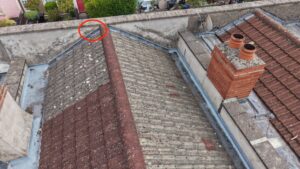
Drone Roof Inspections: A Clearer View of Your Future Home
The roof is one of the most expensive parts of a house to repair, and also one of the hardest to inspect properly. For more than a year now, I’ve used a drone as part of my surveys at Bevan Surveyors. It has changed how much I can tell clients about the roof of the property they’re buying.
Why the roof is hard to inspect
Traditionally, surveyors look at a roof from ground level, from neighbouring land or from upstairs windows, often
When buying a property, one of the most common questions buyers ask is: Which survey should I choose? While every property is different, the good news is that for the vast majority of homes, an RICS Level 2 Survey provides the right balance of detail, practicality, and value.
Why the RICS Level 2 Survey Is Suitable for Most Homes
The RICS Level 2 Survey is designed for properties of conventional construction, regardless of their age. This means it is suitable for most houses and flats built using
Condensation is a common issue that many property owners in the UK face, particularly during the colder months. At Bevan Surveyors Ltd, we understand the importance of identifying and addressing condensation problems to prevent any potential damage to buildings. Condensation occurs when warm, moist air comes into contact with colder surfaces, leading to water droplets forming. This can not only result in unsightly damp patches but also create the perfect environment for mold growth, which can be harmful to both the structure of the building and the health of its occupants. Our team of experienced surveyors are well-equipped with the
Metal domestic heating oil tanks may still be common, but they come with increasing risks. Ageing metal, exposure to weather, and internal corrosion mean these tanks can deteriorate silently, often leaking before homeowners realise anything is wrong. Compared with modern plastic or bunded tanks, they typically have a shorter lifespan and are more vulnerable to damage.
One of the biggest factors affecting their safety is where they’re located. Tanks placed too close to buildings trap moisture and speed up corrosion. Those sitting directly on soil are exposed to constant damp, while tanks in open, unsheltered
Customers Comments
Below is a selection of comments that clients have kindly provided following surveys.